

What Is Plastic Surgery?
Plastic surgery is a branch of medicine that repairs, rebuilds or reshapes the skin and soft tissues of the body. It restores how a body part works, how it is built and how it looks, whether the problem was there from birth or came from an injury, illness or ageing.
Plastic surgeons treat problems (called defects or deformities) of the skin and the soft tissues underneath it, such as fat, muscle and connective tissue, anywhere on the body.
Table of Contents
- What Is Plastic Surgery?
- Our Main Procedures
- Lipo 360
- Brazilian Butt Lift (BBL)
- Tummy Tuck ( Abdominoplasty )
- Breast Augmentation
- Breast Lift ( Mastopexy )
- Breast Reduction
- Vaginal Rejuvenation
- Hip Dip Filling
- Tummy Tuck vs Liposuction: What's the Difference?
- Combining Procedures for Your Desired Body Shape
- Plastic Surgery vs Cosmetic Surgery
- Is Plastic Surgery Right for You?
- What to Expect, Step by Step
- Possible Risks & Benefits
- Recovery at a Glance
- Common Myths and Facts
- Frequently Asked Questions
- Book Consultation / Contact
Patient Testimonials
Real results from real patients at Halcyon Hospital. See the transformations our plastic surgery team has achieved.
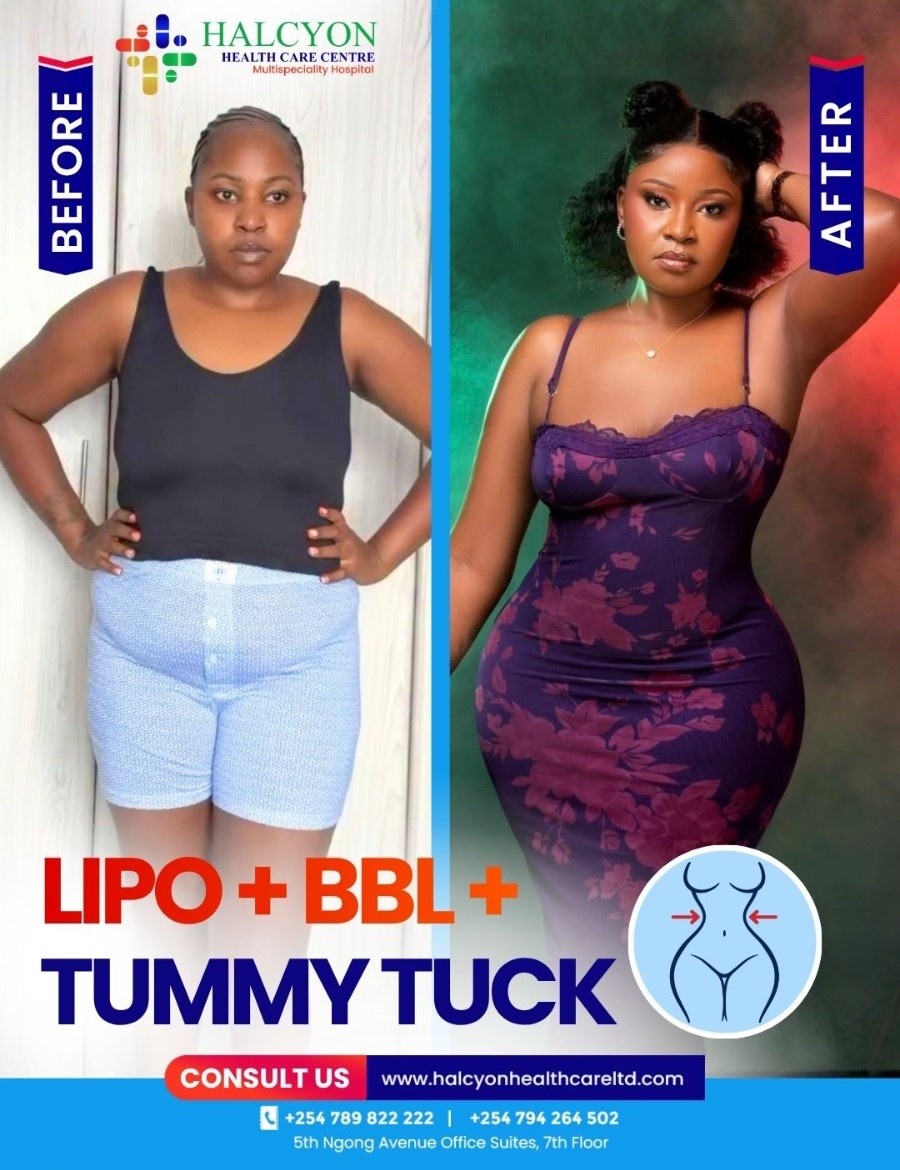
Verified patient result at Halcyon Hospital
Watch real patient stories & transformations
Our Main Procedures
These are the main procedures we perform. Each one is explained below in simple terms: what it is, who it suits, how it is done, what recovery looks like and what results to expect.
Lipo 360
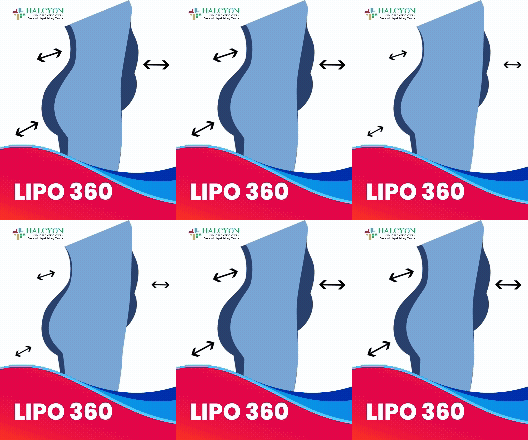
What it is: Lipo 360 is liposuction done all the way around the midsection: the belly, waist, sides (love handles), and upper and lower back. Instead of treating one spot, the surgeon shapes the whole middle of the body at once, so it looks smooth and balanced from the front, sides and back.
Who it suits: People who are close to their ideal weight but have stubborn fat around the middle that doesn't shift with diet and exercise. Good skin elasticity is important, because the skin needs to shrink back neatly after the fat is removed.
How it is done: A numbing fluid is first injected to reduce bleeding and discomfort. Through a few small cuts, a thin tube (cannula) is used to loosen and suction out the fat. The surgery usually takes two to four hours.
Recovery: You will wear a compression garment for about four to six weeks to control swelling and help the skin settle. Most people return to desk work within one to two weeks and to exercise after about four to six weeks.
Results: A slimmer, more defined waist that is visible within a few weeks and keeps improving for three to six months as swelling goes down. The removed fat cells do not come back, so results last as long as your weight stays stable.
Brazilian Butt Lift (BBL)
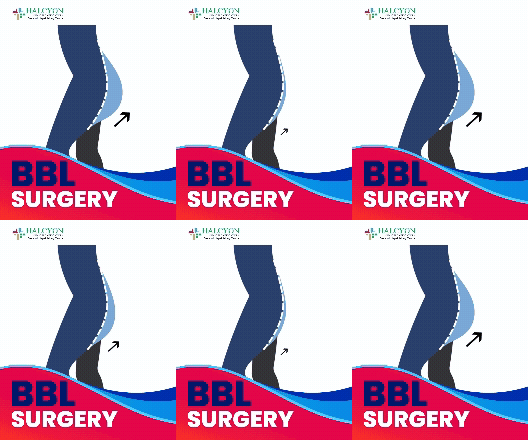
What it is: A BBL makes the buttocks fuller, rounder and more lifted using your own fat instead of implants. It shapes two areas in one procedure: the places the fat is taken from become slimmer, and the buttocks become curvier.
Who it suits: People who want more volume and shape in the buttocks and who have enough spare fat elsewhere, such as the belly, back or thighs, to transfer.
How it is done: Fat is removed by liposuction, then cleaned and prepared. It is carefully injected into the buttocks to build shape where it is needed. For safety, the fat is placed only in the layer just under the skin and never deep into the muscle; this careful technique is the most important part of a safe BBL.
Recovery: You will avoid sitting or lying directly on your buttocks for about two to three weeks or longer, as advised, using a special cushion when you must sit. This protects the new fat while it builds a blood supply. A compression garment is worn for several weeks, and most people return to light work in about two weeks.
Results: Not all of the moved fat survives; usually around 60–80% stays. The final shape appears after about three to six months. The fat that survives is permanent and behaves like normal body fat, so it can grow or shrink with weight changes.
Tummy Tuck ( Abdominoplasty )
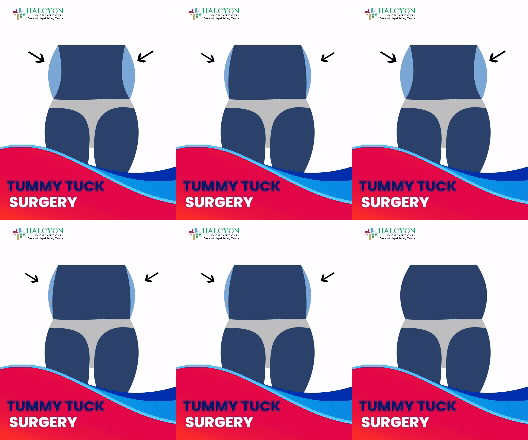
What it is: A tummy tuck removes loose, hanging skin and extra fat from the lower belly and tightens stomach muscles that have been stretched or separated. Liposuction cannot remove skin or repair muscles, which is why a tummy tuck is often needed after big body changes.
Who it suits: Women after pregnancy, and anyone who has lost a lot of weight and is left with loose skin or a belly that bulges even after exercise. It is best done once you have finished having children and your weight is stable.
How it is done: The surgeon makes a cut low across the belly, from hip to hip, removes the extra skin and fat, stitches the stomach muscles together and pulls the remaining skin down to make it smooth and tight. The belly button is usually repositioned so it looks natural. A smaller version, the mini tummy tuck, treats only the area below the belly button.
Recovery: You may walk slightly bent forward for the first week while the skin relaxes. Small drains may be placed for a few days to remove fluid. Most people return to desk work in about two weeks, and heavy lifting and hard exercise wait for about six weeks.
Results: A flatter, firmer stomach and a stronger core. The scar sits low enough to be hidden by underwear or a swimsuit and fades over about a year. Results are long-lasting, although a future pregnancy or large weight gain can stretch the area again.
Breast Augmentation
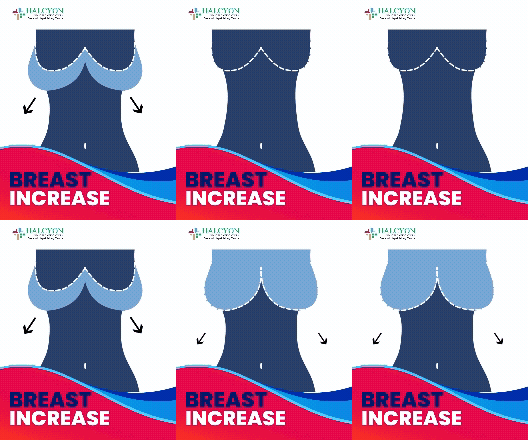
What it is: Breast augmentation increases the size and fullness of the breasts, or improves their balance when one breast is smaller than the other.
Who it suits: Women who feel their breasts are too small, who have lost volume after pregnancy, breastfeeding or weight loss, or who have breasts of noticeably different sizes.
How it is done: It is usually done with implants, either silicone gel or salt-water (saline). The implant is placed through a small cut, most often hidden in the fold under the breast, and sits either above or below the chest muscle. For a smaller, more natural increase, your own fat can be used instead (fat transfer).
Recovery: Expect tightness and soreness for the first week or two. A supportive surgical bra is worn for several weeks. Most people return to desk work within about a week and to full exercise after about six weeks.
Results: Fuller, better-shaped breasts. Implants are long-lasting but not lifetime devices; some people need them replaced at some point in the future, so regular check-ups are recommended.
Breast Lift ( Mastopexy )
What it is: A breast lift raises and reshapes breasts that have started to sag, giving them a firmer, more youthful position. It also moves the nipple higher and can make a stretched areola (the darker skin around the nipple) smaller.
Who it suits: Women whose breasts have dropped because of pregnancy, breastfeeding, weight changes or age, and who are happy with their size but not with their shape or position.
How it is done: The surgeon removes extra skin and tightens the remaining tissue. Depending on how much lift is needed, the cut goes around the areola, around the areola and straight down, or also along the fold under the breast.
Recovery: Similar to breast augmentation: soreness for a week or two, a surgical bra for several weeks, a return to desk work after about one to two weeks and exercise after about six weeks.
Results: Higher, perkier breasts. A lift does not add size, so it is often combined with augmentation for women who want both lift and fullness. Future pregnancies or big weight changes can affect the result.
Breast Reduction
What it is: Breast reduction removes extra breast tissue, fat and skin to make large, heavy breasts smaller, lighter and better shaped.
Who it suits: Women whose large breasts cause back, neck and shoulder pain, deep grooves from bra straps, rashes under the breasts, difficulty exercising, or trouble finding clothes that fit. Because it often treats real physical problems, it is considered both cosmetic and reconstructive.
How it is done: The surgeon removes tissue and reshapes the breast, usually through a cut around the areola, down the front of the breast and along the fold underneath. The nipple is moved to a higher, natural position.
Recovery: Most people return to desk work in about two weeks and to full activity after about six weeks. Many patients notice relief from pain almost straight away.
Results: Smaller, lighter, lifted breasts and, for most people, a big improvement in comfort and daily life. Breastfeeding may be harder after a reduction, so this is worth discussing if you plan to have children.
Vaginal Rejuvenation
What it is: Vaginal rejuvenation is a group of treatments that improve the look, feel or function of the vaginal area.
Who it suits: Women who have noticed changes after childbirth, ageing or menopause, such as looseness, dryness, mild bladder leakage when laughing or coughing, discomfort, or labia that cause irritation or self-consciousness.
How it is done: Surgical options include tightening the vaginal canal and surrounding muscles ( vaginoplasty ) and reshaping or reducing the labia ( labiaplasty ). Non-surgical options use laser or radiofrequency energy to gently heat the tissue, which encourages it to tighten and improves moisture; these take less than an hour and usually need a few sessions.
Recovery: After surgery, expect swelling and tenderness for one to two weeks, and avoid sex, tampons and hard exercise for about four to six weeks. Non-surgical treatments have little or no downtime.
Results: Improved tightness, comfort and confidence. Surgical results are long-lasting, while non-surgical results build over a few weeks and may need a top-up session every year or so.
Hip Dip Filling
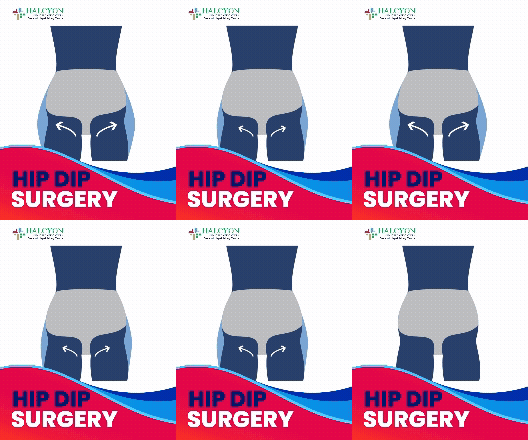
What it is: Hip dips are the natural inward curves on the sides of the body, just below the hip bones. Hip dip filling adds volume to these areas to create a smoother, rounder curve from the waist down to the thighs.
Who it suits: People who would like a smoother, more hourglass-shaped outline. Hip dips are normal and often caused by the shape of the pelvic bones, so filling them softens the curve rather than removing it completely.
How it is done: Most often with your own fat: it is taken by liposuction from areas such as the belly or back, prepared, and injected into the hip dips. Dermal fillers can be used instead for a non-surgical option.
Recovery: With fat transfer, recovery is mostly from the liposuction: some bruising, swelling and a compression garment for a few weeks. With fillers, most people go back to normal activities the same day.
Results: As with a BBL, part of the transferred fat is absorbed by the body, but the fat that survives is permanent. Fillers give an instant result but are temporary, usually lasting about one to two years.
Tummy Tuck vs Liposuction: What's the Difference?
Both procedures improve the shape of the stomach, so people often confuse them. The simple difference is this: liposuction removes fat, while a tummy tuck removes skin and fat and tightens the muscles. If the main problem is stubborn fat, liposuction may be enough. If the problem is loose skin or a belly that sticks out because the muscles have stretched, a tummy tuck is usually needed.
| Feature | Liposuction | Tummy tuck |
|---|---|---|
| What it removes | Fat only | Loose skin and fat |
| Tightens muscles? | No | Yes, repairs stretched or separated stomach muscles |
| Best for | Firm skin with stubborn pockets of fat | Loose or hanging skin, often after pregnancy or major weight loss |
| Scars | A few tiny scars that are hard to see | One long scar low across the belly, hidden by underwear |
| Recovery | About 1–2 weeks before returning to desk work | About 2 weeks before desk work; around 6 weeks before hard exercise |
| Result | Slimmer shape | Flatter, firmer stomach and stronger core |
Many patients benefit from both. Liposuction is often added to a tummy tuck to slim the waist and sides while the tummy tuck flattens the front.
Combining Procedures for Your Desired Body Shape
Several procedures can be done during the same operation to reach a particular body shape. These are some of the most popular combinations:
- Hourglass figure ( Lipo 360 + BBL + hip dip filling): Fat is removed from the belly, waist and back to make the waist smaller, then moved into the buttocks and hip dips to add curves. The fat removed from one area becomes the filling for another, creating a dramatic hourglass shape.
- Flat stomach and snatched waist (tummy tuck + Lipo 360): The tummy tuck removes loose skin and tightens the muscles, while Lipo 360 slims the sides and back so the whole midsection is smooth and defined.
- Mommy makeover (tummy tuck + breast lift, with or without augmentation, + liposuction): Designed to restore the body after pregnancy and breastfeeding. It tightens the stomach, lifts and restores the breasts, and removes stubborn fat in one recovery period.
- Lifted, fuller breasts (breast lift + breast augmentation): The lift raises and reshapes sagging breasts, and the implant adds the fullness that was lost.
- Curvier lower body (BBL + hip dip filling): Adds volume to the buttocks and smooths the sides of the hips for a rounder, continuous curve.
Plastic Surgery vs Cosmetic Surgery
People often use these words as if they mean the same thing. They overlap, but they are not identical: cosmetic surgery is one part of the wider field of plastic surgery.
| Aspect | Reconstructive | Cosmetic |
|---|---|---|
| Main aim | Restore normal function and appearance | Improve the appearance of a healthy body part |
| Who has it | People with injuries, burns, birth differences, or after cancer | People who choose to change how they look |
| Is it needed? | Usually medically necessary | Elective, a personal choice |
| Insurance | Often covered | Usually not covered |
| Examples | Cleft lip repair, burn grafts, breast reconstruction | Nose reshaping, facelift, breast enlargement |
Is Plastic Surgery Right for You?
You may be a good candidate for plastic surgery if you:
- Are in good general health, or any illness such as diabetes or high blood pressure is well controlled
- Don't smoke, or are willing to stop for several weeks before and after surgery
- Have a stable weight, especially for body procedures
- Have clear, realistic goals and understand what surgery can and can't do
- Are doing it for yourself, not because someone else is pressuring you
What to Expect, Step by Step
Consultation
Meet your surgeon, share your goals, and walk through options, results, risks and costs. Ask every question you have.
Preparation
Blood tests and pre-op checks. Stop smoking, avoid blood-thinning medicines, and arrange support for your first days home.
Anaesthesia
Local numbing, sedation, or full general anaesthesia — selected to keep you completely pain-free throughout.
The Surgery
Anywhere from under one hour to several hours. Many patients go home the same day; larger procedures may need a short hospital stay.
Recovery & Follow-up
Go home with wound-care and pain-relief instructions. Follow-up visits let the surgeon check healing and remove stitches when ready.
Meet your surgeon, share your goals, and walk through options, results, risks and costs. Ask every question you have.
Blood tests and pre-op checks. Stop smoking, avoid blood-thinning medicines, and arrange support for your first days home.
Local numbing, sedation, or full general anaesthesia — selected to keep you completely pain-free throughout.
Anywhere from under one hour to several hours. Many patients go home the same day; larger procedures may need a short hospital stay.
Go home with wound-care and pain-relief instructions. Follow-up visits let the surgeon check healing and remove stitches when ready.
Possible Risks & Benefits
Possible Risks
All surgery carries some risk. Serious problems are uncommon when the surgeon is properly trained and you follow their advice, but you should know about them before deciding. The figures show roughly what percentage of patients experience each one. These are approximate averages from medical studies.
Benefits
- Improved Appearance – Enhances body shape and facial features.
- Increased Confidence – Helps improve self-esteem and body image.
- Better Body Proportions – Creates a more balanced, harmonious appearance.
- Enhanced Physical Comfort – May reduce discomfort caused by excess skin.
- Improved Quality of Life – Can support emotional well-being and everyday comfort.
How to Lower Your Risk
- Choose a qualified, registered plastic surgeon
- Make sure surgery happens in a proper hospital or accredited facility
- Tell your surgeon about every medicine, supplement and health condition
- Stop smoking well before and after surgery
- Follow wound-care instructions and attend every follow-up visit
- Walk gently soon after surgery to help prevent blood clots
- Contact your surgeon quickly about fever, heavy bleeding, increasing pain, or swelling in one leg
Side Effects
Usually only in the first few days to weeks after the procedure- Bruising and swelling (>90%)
- Pain, soreness and tightness (>90%)
- Temporary numbness or tingling (>50%)
- Nausea and vomiting after anaesthesia (20–30%)
Possible Complications
- Bleeding or blood collecting under the skin (1–2%)
- Infection (1–3%)
- Fluid collecting under the skin (5–15% after tummy tucks)
- Slow wound healing or wound opening (1–5%)
- Life-threatening complications (<0.01%)
Recovery at a Glance
Every procedure and every person heals differently, but recovery usually follows this pattern.
| Time after surgery | What usually happens |
|---|---|
| First few days | Swelling, bruising and some discomfort, controlled with pain medicine. Lots of rest. |
| 1–2 weeks | Stitches come out. Many people return to light work and daily activities. |
| 4–6 weeks | Most swelling settles. Exercise and heavier activity are usually allowed again. |
| 3–12 months | Final results appear as the last swelling fades and scars soften and lighten. |
After body procedures such as liposuction or a tummy tuck, you'll often wear a compression garment for several weeks to reduce swelling and help the skin settle into its new shape.
Common Myths and Facts
Myth Plastic surgery is only about looks.
Fact A large part of it is reconstructive: treating burns, injuries, birth differences and the effects of cancer.
Myth Plastic surgery uses plastic.
Fact The name means "shaping". Most procedures use your own tissue.
Myth Liposuction is a quick way to lose weight.
Fact It shapes specific areas. Real weight loss comes from lifestyle changes or medical weight-loss treatment.
Myth Plastic surgery leaves no scars.
Fact Any cut leaves a scar, but surgeons place them carefully, often in natural creases, so they fade and are hard to see.
Myth Results last forever.
Fact Results are long-lasting, but your body still ages, and weight changes can affect the outcome.
Ready to Discuss Your Plastic Surgery Options?
Schedule a confidential consultation with our certified plastic surgeons at Halcyon Hospital Nairobi to discuss your aesthetic and reconstructive goals.
FAQs
You won't feel pain during the operation because of anaesthesia. Afterwards, expect soreness, tightness and swelling for a few days to weeks. This is usually well managed with prescribed pain medicine.
Yes, any surgery leaves a scar, but plastic surgeons are trained to keep them small and hide them in natural folds or less visible areas. Scars are usually red at first and fade over 6–12 months.
There's no single age limit. Reconstructive surgery, such as cleft lip repair, is often done in babies and children. Most cosmetic surgery is for adults, and older adults can have surgery if they are healthy enough.
Reconstructive surgery that treats a medical problem is often covered. Cosmetic surgery usually isn't. Always check with your insurer before booking.
Reconstructive results are usually permanent. Cosmetic results last many years, but ageing, sun damage, pregnancy and weight changes can affect them over time.
Sometimes, for example a tummy tuck with liposuction. Combining can mean one recovery period instead of two, but longer operations carry more risk, so your surgeon will advise what's safe for you.
For some concerns, yes. Injections, fillers, peels and laser treatments can improve wrinkles, volume loss and skin quality with little downtime, though results are milder and temporary.
Liposuction removes fat only; a tummy tuck removes loose skin and fat and tightens the stomach muscles. If the main problem is stubborn fat and the skin is firm, liposuction may be enough. If there is loose or hanging skin — often after pregnancy or major weight loss — a tummy tuck is usually needed. Many patients benefit from both at the same time.