


GASTRIC THERAPY KENYAY
Lose 25-35% of excess body weight with Gastric Therapy Kenya
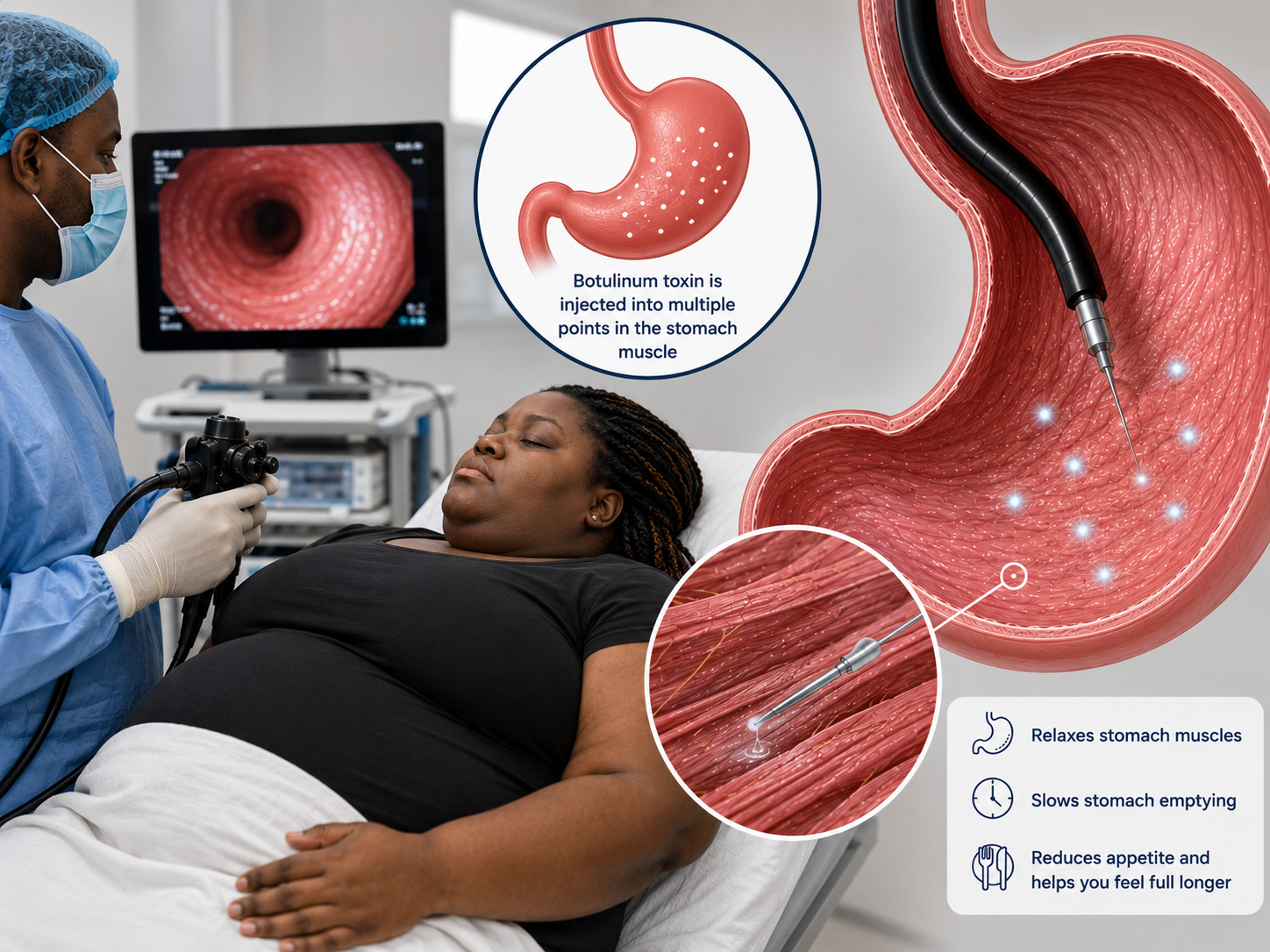
Gastric Therapy Kenya is a non-surgical weight loss treatment that involves injecting botulinum toxin into directly into the stomach lining. The botulinum toxin temporarily relaxes the stomach muscles, which can slow stomach emptying, reduce appetite, and help you feel full for longer. This may help you eat smaller portions and support weight loss when combined with a healthy diet and lifestyle.
- BMI: Usually 27–35
- Hospital Stay: Same-day discharge
- Procedure Time: About 10–20 minutes
- Effect: Lasts around 3–6 months
Benefits
- Reduces Appetite – Helps control hunger.
- Smaller Portions – Helps you feel full sooner.
- Slows Stomach Emptying – Keeps you satisfied longer.
- Supports Weight Loss – Helps promote gradual weight reduction.
Disadvantages
- Variable Weight Loss – Results differ from person to person.
- Requires Endoscopy – The treatment is performed using an endoscope.
- Possible Side Effects – May cause nausea, bloating, or stomach discomfort.
- Weight Regain – Weight may return without lasting lifestyle changes.
Common Side Effects
only first few days after the procedure- Nausea – ~7–10%
- Abdominal Pain – ~5–7%
- Bloating – ~2–5%
- Constipation – ~2–5%
- Headache – ~2–3%
Main Complications
- Bleeding – Very rare (< 1%)
- Stomach Perforation – Extremely rare
- Severe Allergic Reaction – Extremely rare
- Systemic Botulism – Extremely rare, but potentially serious
- Gastric Necrosis – Extremely rare
How does it Work?
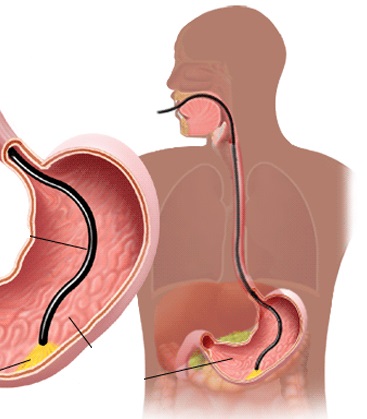
The gastric therapy procedure involves the targeted administration of botulinum toxin directly into the stomach lining. Botulinum toxin, commonly known for its cosmetic applications such as reducing wrinkles, functions by temporarily blocking the release of acetylcholine, a neurotransmitter responsible for signaling muscle contraction.
When injected into the stomach lining, botulinum toxin inhibits the activity of the muscles in that area, leading to a temporary paralysis of the stomach muscles. This paralysis reduces the contractions of the stomach, which in turn slows down the rate at which food moves through the digestive system. As a result, individuals experience a decreased sensation of hunger and an increased feeling of fullness, leading to reduced food intake during meals.
The temporary paralysis induced by the botulinum toxin typically lasts for several months before gradually wearing off. This necessitates periodic re-administration of the injections to maintain the desired effects.
Overall, the procedure works by temporarily altering the functioning of the stomach muscles to promote early satiety and diminish hunger, offering a nonsurgical approach to appetite management.
B
How is it done How does it work

Anesthesia Administration: The patient is typically given local anesthesia to numb the area where the injections will be administered, ensuring minimal discomfort during the procedure.
Injection Site Preparation: The healthcare provider cleans and sterilizes the injection site on the stomach lining to minimize the risk of infection
Botulinum Toxin Injection: Using a thin needle, the healthcare provider precisely injects botulinum toxin into specific areas of the stomach lining
The dosage and injection sites are determined based on the patient's individual needs and the desired effect.
Monitoring: Throughout the procedure, the patient's vital signs may be monitored to ensure safety and detect any adverse reactions
A
Pre Procedure

Consultation: Patients undergo a consultation with a healthcare provider to discuss their medical history, current health status, and suitability for the gastric therapy procedure.
During this consultation, potential risks, benefits, and expectations of the procedure are also reviewed.
Assessment: Healthcare providers may conduct various assessments such as physical examinations, blood tests, and possibly imaging studies to evaluate the patient's overall health and suitability for the procedure.
Preparatory Instructions: Patients receive specific instructions regarding pre procedure preparations, which may include dietary restrictions or modifications, fasting requirements, and discontinuation of certain medications, particularly blood thinners, to minimize the risk of complications during the procedure
C
Post Procedure
Recovery Period: After the procedure, patients are monitored in a recovery area to ensure they are stable and not experiencing any immediate complications
Discharge Instructions: Patients receive detailed post procedure instructions, including information on dietary restrictions, activity limitations, and any medications to be taken
They are advised to follow a liquid or soft diet initially, gradually progressing to solid foods as tolerated.
Follow Up Appointments: Patients schedule follow-up appointments with their healthcare provider to monitor their progress, assess the effectiveness of the injections, and determine the need for any additional treatments or adjustments
Long Term Management:
Since the effects of gastric therapy are temporary, patients may need periodic re-administration of the injections to maintain the desired appetite control and weight management outcomes.
Healthcare providers work closely with patients to develop long-term strategies for maintaining a healthy lifestyle, including diet and exercise recommendations
FAQs
Gastric Therapy is a non-surgical treatment that uses botulinum toxin to relax the stomach muscles, helping to support appetite control and weight loss.
It relaxes certain stomach muscles, which can slow stomach emptying, help you feel full sooner, and reduce appetite.
No. Gastric Therapy is a non-surgical procedure performed using an endoscope, so there are no incisions or surgical scars.
The procedure usually takes about 10–20 minutes.
No. Gastric Therapy is usually performed as a same-day procedure, allowing you to return home after recovery and medical assessment.
Results vary from person to person. Gastric Therapy may support approximately 5–10% total body weight loss when combined with appropriate diet and lifestyle changes.
The effects typically last around 3–6 months, although the duration can vary between individuals.
The procedure is generally comfortable when performed with appropriate sedation. Some people may experience temporary nausea, bloating, or stomach discomfort afterward.
Suitability depends on factors such as your BMI, overall health, medical history, and weight-loss goals. A medical assessment is required to determine whether Gastric Therapy is appropriate for you.
Yes. Gastric Therapy provides temporary effects, and weight may return if healthy eating and lifestyle habits are not maintained. Long-term lifestyle changes are important for lasting results.