

OAGB - MINI BYPASS SURGERY IN KENYA
Lose 70-80% of Excess Body weight with OAGB - Mini Bypass Surgery Kenya
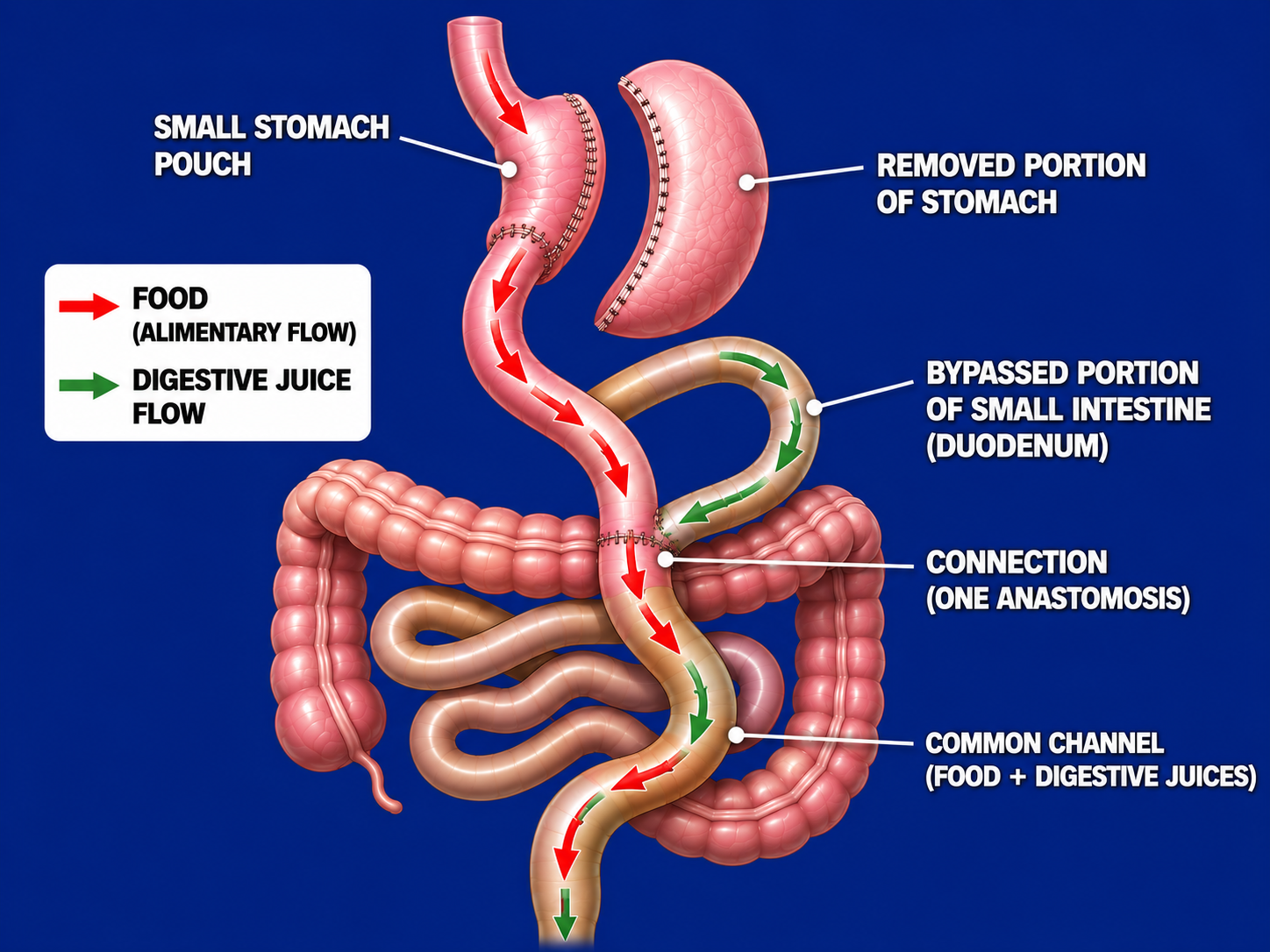
OAGB (One Anastomosis Gastric Bypass), also known as Mini Gastric Bypass Surgery, is a safe, minimally invasive (laparoscopic) weight loss procedure that helps people living with obesity lose up to 70–80% of their excess body weight within 12–18 months. During the surgery, the surgeon creates a small stomach pouch and connects it to a loop of the small intestine using a single surgical connection (anastomosis). This reduces the amount of food you can eat and limits calorie absorption, leading to significant, long-term weight loss.
- Weight Loss: Up to 70–80% excess weight loss.
- Eligibility: BMI ≥40 or BMI ≥35 with health conditions.
- Hospital Stay: 1–3 days.
- Recovery: 2–4 weeks.
Benefits
- Significant Weight Loss – Lose up to 70–80% of excess body weight.
- Improves Type 2 Diabetes – Better blood sugar control, often with reduced medication.
- Resolves Obesity-Related Conditions – Helps improve high blood pressure, sleep apnea, and high cholesterol.
- Less Invasive Procedure – Single intestinal connection may result in a shorter operation than traditional gastric bypass.
- Long-Term Results – Supports lasting weight loss when combined with healthy lifestyle changes.
Disadvantages
- Lifelong Vitamin Supplements – Daily vitamins and minerals are required.
- Risk of Acid/Bile Reflux – Some patients may develop persistent reflux symptoms.
- Nutrient Deficiencies – Reduced absorption can lead to vitamin and mineral deficiencies.
- Dietary Restrictions – Requires permanent healthy eating habits and portion control.
- Not Easily Reversible – Although possible, reversal or revision is a complex surgical procedure.
Common Side Effects
only first few days after the procedure- Nausea – 20–40% (early after surgery)
- Usually improves as the stomach heals and eating habits adapt.
- Vomiting – 10–20%
- Often caused by eating too quickly, overeating, or not chewing food well.
- Diarrhoea or Loose Stools – 10–20%
- May occur due to changes in digestion or certain foods.
- Dumping Syndrome – 15–30%
Main Complications
- Anastomotic Leak – 1–2%
- A leak from the surgical connection between the stomach and small intestine.
- Bleeding – 1–3%
- Bleeding during or after surgery that may require treatment or, rarely, another operation.
- Bile Reflux – 2–8%
- Bile flowing back into the stomach or oesophagus, causing persistent heartburn or irritation.
- Blood Clots (DVT/PE) – <1%
- Blood clots in the legs or lungs; risk is reduced with early walking and blood-thinning medication.
- Vitamin & Mineral Deficiencies – 10–30% (without lifelong supplements)
- Deficiencies in iron, vitamin B12, calcium, vitamin D, and other nutrients due to reduced absorption.
How does Mini Gastric Bypass Work?

To do a laparoscopic mini gastric bypass, the surgeon makes small cuts in your belly and puts in a tiny camera and tools. You're asleep during the surgery, which usually takes 1 to 3 hours. Afterwards, you stay in the hospital for about 3 days. This surgery can help you lose up to 60% of the extra weight you carry in about 2 years after the surgery.
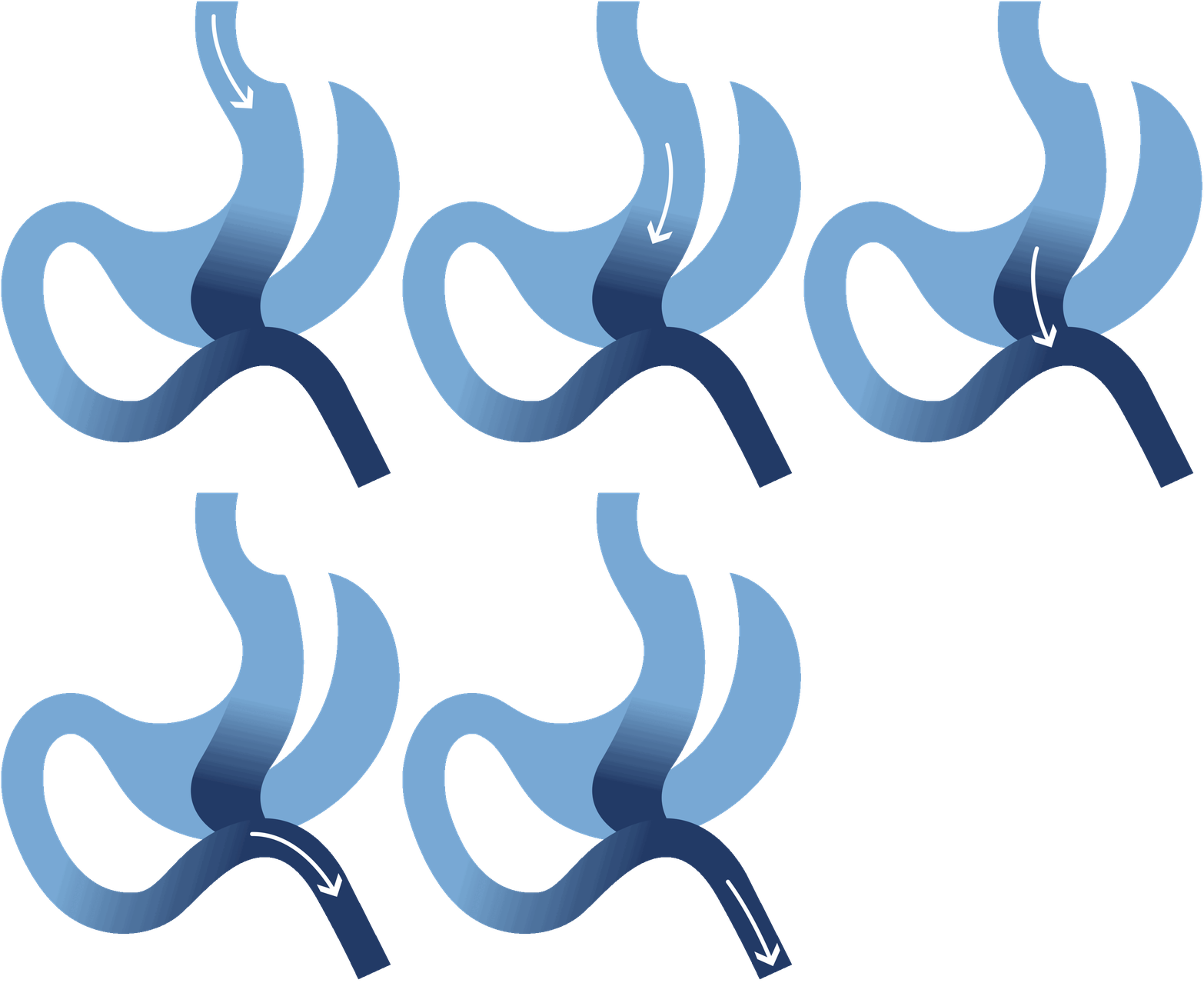
During the surgery, the surgeon staples a small part of your stomach to make it into a narrow tube. This new tube is then connected to a different part of your small intestine, bypassing some of your stomach and the first part of your small intestine. The part of your stomach and small intestine that's bypassed still works, but it's not involved in digesting your food anymore.
This helps you lose weight in a few ways:
- It reduces your feeling of hunger by changing how signals between your gut and brain work
- You feel full sooner when you eat, so you eat less
- You absorb fewer calories from your food because the surgery skips a big part of your stomach and small intestine where digestion happens
A
Pre Procedure
How Mini Gastric Bypass Surgery Is Done


Laparoscopic Gastric Mini Bypass Surgery is recommended for individuals who meet certain criteria. These may include
- Body Mass Index (BMI) of 40 or higher, indicating severe obesity (class III)
- BMI of 35 or higher, accompanied by obesity-related health conditions such as diabetes, high blood pressure, sleep apnea, heart disease, cholesterol etc
- Previous unsuccessful attempts at weight loss through diet, exercise, and other non-surgical methods
- Past medical and surgical history may also affect eligibility, so it is important to come in for a consult beforehand
MEDICAL – Obesity-related illnesses such as heart disease, stroke, type 2 diabetes, cholesterol, infertility, sleep apneas, asthma and cancer; are reduced. It also helps in long-term control of type 2 diabetes, and less dependence on medication — or the elimination of medication altogether.
PHYSIOLOGICAL – You may also enjoy the elimination of back and joint pain, decreased depression, improved breathing and increased energy
PSYCHOLOGICAL – Dramatic improvements in your overall health and quality of life with improved self-image, increased self-confidence and the satisfaction that comes from enjoying a wider range of activities with friends and loved ones.
Results may vary dependent on lifestyle changes as well, we recommend an amalgamated approach for best results and sustainability
WEEKS BEFORE
To determine the suitability & your body’s fitness for the gastric mini bypass surgery we will take you thorough medical, psychological, nutritional assessments and pre- counselling.
The pre-surgery weight loss diet is essential because it is low in fat and carbohydrate content, helping reduce your glycogen levels to help reduce the size of the liver, which is essential for the operation.
There should be no intake of caffeinated drinks (coffee and energy drinks) at least a week before your surgery date. Your dietary intake in the week leading up to the surgery should be light like vegetables and fruits
DAYS BEFORE
You'll need to stop smoking, eating heavy unhealthy meals, taking aspirin, ibuprofen, and other blood-thinning medicines in the days before your surgery. You shouldn't eat or drink anything after midnight before surgery.
B
How Is It Done & How Does It Work Pre
Before the surgery, you'll be given general anesthesia to make you sleep and feel no pain during the procedure
The surgeon makes a few small cuts, or incisions, in your abdomen. These are usually less than an inch long.
A laparoscope, which is a thin tube with a camera and other instruments, is inserted through one of the incisions. This allows the surgeon to see inside your abdomen
The top portion of your stomach is stapled to create a narrow tube, separating it from the rest of the stomach. This reduces the size of your stomach and limits the amount of food it can hold
The newly created stomach tube is then connected directly to a loop of the small intestine. This bypasses a portion of the small intestine, including the duodenum, which is the first part of the small intestine.
The incisions are closed with stitches or surgical tape.
- Reduced Hunger Signals: By altering the communication between your gut and brain, the surgery reduces feelings of hunger, helping you eat less
- Early Satiety: The smaller stomach size and direct connection to the small intestine result in an earlier feeling of fullness when eating, leading to smaller portion sizes.
- Decreased Calorie Absorption: Bypassing a significant portion of the stomach and duodenum reduces the amount of calories absorbed from food, aiding in weight loss
- Altered Digestion: While the remaining portion of the stomach and duodenum still functions, they are no longer involved in the digestion process, further contributing to weight loss
C
Post Procedure
Recovery may vary from person to person, but here’s what you need to know

3-5 days after the surgery to ensure proper healing, rehabilitation and monitoring of progress. Patients who have undergone laparoscopic procedures may return to work within 1 week after surgery. However, it is not advisable to engage in intense physical work
Diet : Shortly after surgery, you'll begin reintroducing foods into your diet in phases in consult with your nutritionist who will teach you how and what to eat with your reduced stomach size. You'll start consuming a clear liquid diet within 24 hours of your surgery, then advance to a full liquid diet, a soft food diet, and your regular diet in the weeks ahead. You will also have to reduce certain foods, such as simple sugars, including honey, white sugar, or syrups, to avoid dumping syndrome. You will need to chew slowly and fully, and not to drink 30 minutes before or after you eat. While it may seem demanding, ignoring dietary recommendations may cause constipation, dehydration, diarrhea, or in extreme very rare cases, gastric acid leakage.
Supplements : You will have follow-up visits with your bariatric surgery team to help you develop good eating and exercise habits that will change your lifestyle. Your initial weight loss may occur quickly, so it's important to get all of the nutrition and vitamins you need as you recover. To prevent nutritional problems after gastric bypass surgery, your doctor may advise on supplements like Vitamin B12 and iron.
- Fever
- Your wound becomes painful or hot to the touch or leaks fluid
- Coughing or trouble breathing
- Vomiting and diarrhea
- Pain in the abdomen, chest, shoulder, or legs
- Any other problems or symptoms
During weight-loss, you may have body aches, dry skin, mood changes, and temporary hair thinning, and feel tired and cold. As your weight stabilizes, these problems should go away. Weight loss continues for about a year, and then it will stabilize at your body’s optimum BMI.
GASTRIC BYPASS VS MINI GASTRIC BYPASS
When comparing Gastric Bypass to Mini Gastric Bypass, several factors come into play. While the mini gastric bypass may offer shorter operating times and be technically easier for surgeons, its weight loss outcomes and recovery periods are comparable to traditional Gastric Bypass procedures. However, its adoption isn't as widespread due to potential complications such as severe acid reflux.
This arises from the smaller pouch created in the mini gastric bypass, which remains connected to the intestines, allowing gastric juices to travel back up, leading to heartburn. Moreover, there's a risk of lifelong dependence on food supplements and vitamins to prevent severe malnutrition, sometimes necessitating reoperation.
Despite its relative novelty, the mini gastric bypass is primarily geared towards simplifying surgical procedures rather than offering significant advantages over Gastric Bypass.
FAQs
OAGB is a minimally invasive weight loss surgery that reduces stomach size and bypasses part of the small intestine to promote significant, long-term weight loss.
Most patients lose 70–80% of their excess body weight within 12–18 months.
Adults with a BMI ≥40, or BMI ≥35 with obesity-related conditions such as type 2 diabetes or high blood pressure.
The procedure usually takes 60–90 minutes under general anaesthesia.
Most patients stay in hospital for 1–3 days.
Most people return to normal daily activities within 2–4 weeks.
Yes. Lifelong vitamin and mineral supplements are essential to prevent nutritional deficiencies.
Although it can be reversed or revised, it is considered a permanent weight loss procedure.
Yes. Many patients experience significant improvement or remission of type 2 diabetes and other obesity-related conditions.
Yes. When performed by an experienced bariatric surgeon, OAGB is considered a safe and effective procedure with a low risk of serious complications.